New Stars of Indian Cricket: Who Can Replace the Current Leaders of the National Team
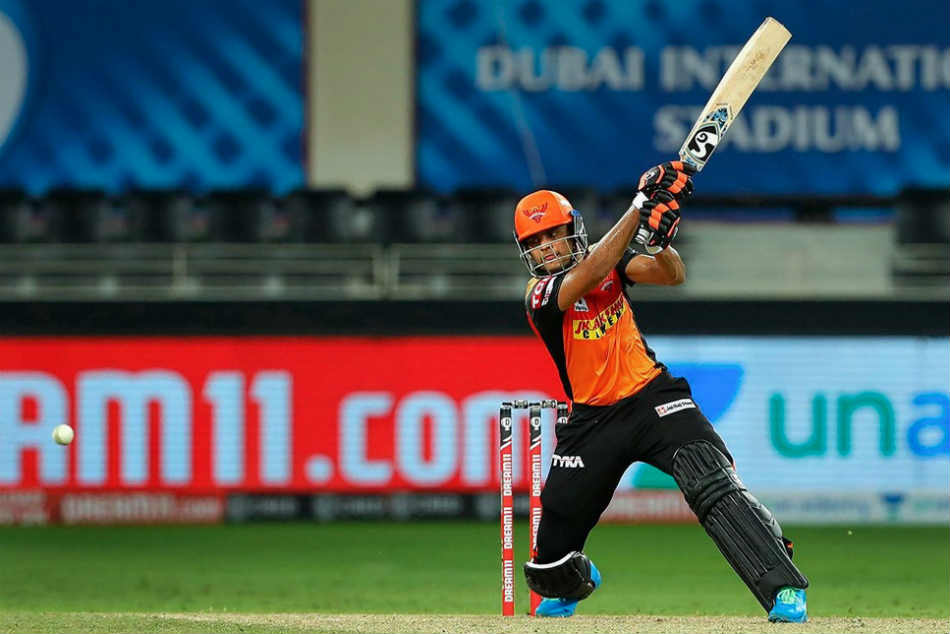
Indian cricket is at an important crossroads. Virat Kohli and Rohit Sharma still have a strong influence on the game, but time is relentless. As a result, the team needs fresh blood that can not only support but continue the tradition of success.
Selectors are actively testing new lineups, handing key roles to players who are just starting their international careers. Dhruv Jurel and Sarfaraz Khan have already shown their abilities by earning central contracts. But the question remains: who can truly replace the leaders of the team in the future?
Why the Indian Team Needs a New Wave of Leaders
Generational change is not a crisis but a natural continuation. Leaders like Kohli and Sharma have already given a lot and fully proved their value to the team. But age and workload are taking their toll: recovery becomes more difficult, and quick decisions and intuition are gradually losing their sharpness.
Modern cricket requires not only physical strength but also mental flexibility. The key moments pass by faster: Powerplay, aggressive finishers, and proper deliveries in crucial overs. It is in these areas that India needs new heroes who are ready to withstand pressure and meet the expectations of fans.
If you still believe in the old players and want to feel that same thrill and tension, you can easily experience it on bc game apk — where emotions come quickly and without delay, just like in professional cricket.
New Top-Order Batters: Who Is Ready to Take on the Opening Role
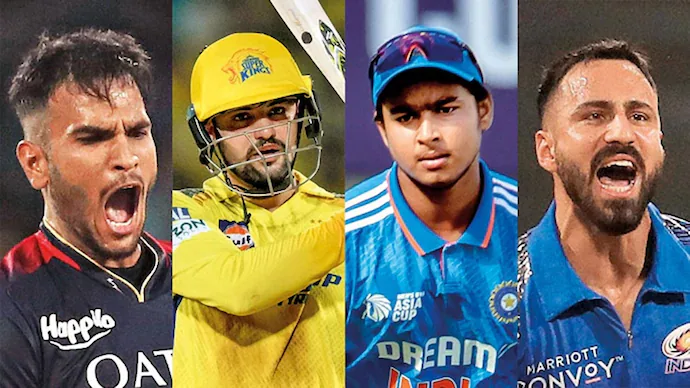
Opening batters are the first fighters who face new balls, swing, and speed. Their job is not only to score runs but also to lay the foundation for the entire team. A mistake at this stage can cost dearly, so players in these positions must be confident and precise.
Yashasvi Jaiswal has shown excellent results and is capable of being aggressive, which is important for Powerplay. Shubman Gill, with his stable technique, can play under any conditions and against any bowlers, which is crucial for ODI and Test matches. Ruturaj Gaikwad has demonstrated excellent adaptability, changing the tempo depending on the format of the game and the conditions on the field.
They can be compared by key characteristics:
| Player | Strength | Best Format | Key Quality |
| Yashasvi Jaiswal | Aggression in Powerplay | T20 / Test | Boldness |
| Shubman Gill | Timing and Control | ODI / Test | Consistency |
| Ruturaj Gaikwad | Reading the Bowlers | T20 / ODI | Adaptability |
These players are not trying to be copies of old stars. They use their strengths to cope with the challenges modern cricket throws at them.
Middle Order and Finishers: Who Will Close the Matches
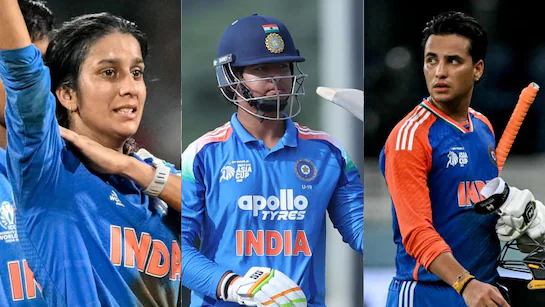
The middle order is where the game can either stabilize or fall apart. Players in this zone cannot afford to take a back seat: they must take responsibility for each moment and maintain control. Finishers are those who come in at critical moments when the match can be decided by a single over.
Rinku Singh has shown his ability to take risks when the situation demands it. Tilak Varma stabilizes the innings, maintaining control and not breaking the structure of the game. Shivam Dube adds power, which is crucial in the final overs when there is little time to waste.
These players are valued for their ability to:
- Stay calm in the final overs, when every ball counts
- Read the bowlers and not attack blindly
- Change the tempo of the game, without breaking the strategy
- Use their physical power, turning a half-chance into a result
These players act at moments when the game hangs in the balance. And it is they who could become the leaders who will close the match and bring victory.
The New Generation of All-Rounders: Balancing Bat and Ball
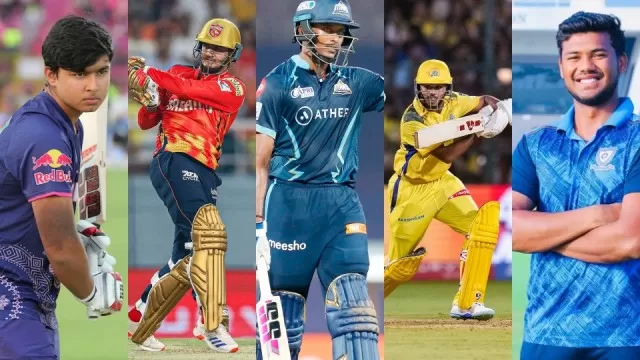
Modern cricket increasingly demands all-rounders. These players must not only bat but also play vital roles in the field. Lineups are becoming more flexible, giving the captain the ability to adapt the team to various formats of the game.
Hardik Pandya remains the benchmark for an all-rounder, but there is a wave of players ready to take on this role. Axar Patel adds stability and experience, Washington Sundar knows how to use moments to fill gaps, and Nitish Kumar Reddy brings a fresh perspective to the game, with the necessary energy and dynamics.
If you continue to trust established formulas and want to experience that same risk and thrill, you can feel it easily on bc game — where every decision matters, just like in real cricket.
All-rounders rarely get all the spotlight, but without them, the team cannot function. Their job is to stabilize the situation and become key players when needed.
New Bowlers: Who Will Take Responsibility for the Attack
Bowlers in cricket are the ones who break the rhythm of the game. They need to be aggressive, accurate, and set the tempo at the right time. India’s bowling attack has lost some stability with the departure of old leaders like Bumrah, but new players are already in line, ready to prove their worth.
Mohammed Siraj has become more aggressive, especially in Powerplay. Arshdeep Singh works successfully in death overs, showing his bravery and ability to hit Yorkers under pressure. Kuldeep Yadav is dangerous again with his technique and bravery, while Mukesh Kumar remains disciplined and consistent.
They can be divided by roles and functionality:
| Bowler | Type | Key Phase | Main Weapon |
| Mohammed Siraj | Fast | Powerplay | Pressure and Length |
| Arshdeep Singh | Left-arm Fast | Death Overs | Yorkers |
| Kuldeep Yadav | Wrist Spinner | Middle Overs | Deception and Spin |
| Mukesh Kumar | Seam | Middle / Death | Line and Control |
These players do not copy the style of old stars. They bring their unique qualities that make them valuable to the team. It’s important to understand that cricket is a team game, and the bowling line must be as flexible as ever.
Who Among Them Will Become the New Leader of the Indian Team
Leadership in cricket is not a star in the sky; it is the person who will be with the team at every moment. It is the player who will not let the team down in tough moments and will take responsibility. The qualities of a leader are visible not only in their game but also in their behavior and in making quick decisions.
The future leader will likely combine several key qualities:
- Calm under pressure
- Mental flexibility for any format
- Physical endurance for long seasons
- Willingness to take responsibility, even when risking failure
- Team spirit, rather than an individual chase for statistics
The new stars of Indian cricket are ready to take on leadership. They do not try to replace the past; they continue it, bringing their own unique energy and dynamics to the game.